
REVIEW · AUSTIN
3D Printer Factory Tour plus 2 ft Tall Rocket!
Book on Viator →Operated by re:3D, 3D Printer Factory · Bookable on Viator
Touring a 3D factory beats watching from a screen. In Austin, re:3D makes Gigabot (a large-scale, filament-based printer) real, and the tour pairs hands-on viewing with practical talk about using plastics in a less throwaway way. It feels like seeing homegrown innovation that also cares about impact.
What I love most is the chance to see big hardware up close and learn how industrial additive manufacturing actually works. The guide I met, Charlotte, made room for both beginners and seasoned tech folks, and she answered questions in plain language. The other standout: your group gets a 3D-printed rocket souvenir, which instantly turns the hour into something kids (and adults) will remember.
One thing to consider: the experience is short, about 45 to 60 minutes, and the focus is viewing and explanation, not a hands-on build workshop. If you want hours of tinkering, you might wish there were more time to test materials or run machines yourself.
In This Review
- Key highlights worth planning for
- Why this Austin stop is more than a tech demo
- Entering the re:3D factory: what you’ll notice first
- Gigabot and the large-scale printer story
- Prints, materials, and the “so what” for real life
- The eco plastics message: what to listen for
- Baby goats and the human side of tech tours
- The rocket souvenir: why it’s worth paying attention to
- Price and value: $22 per group can be a bargain
- Timing: how to plan around the 45–60 minute visit
- Getting there and day-of details that matter
- Who this tour fits best (and who might skip it)
- Should you book the 3D Printer Factory Tour plus 2 ft Tall Rocket?
- FAQ
- How much does the re:3D 3D printer factory tour cost?
- How long is the tour?
- What is the maximum group size?
- What language is the tour offered in?
- Where does the tour start?
- Is a mobile ticket used?
- Do I get a rocket souvenir?
- What are the hours for the tour?
- Does weather affect the tour?
- Is service animal access allowed?
Key highlights worth planning for
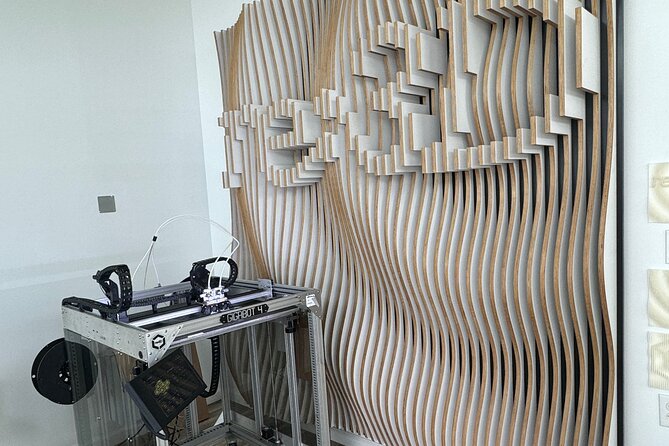
- Gigabot factory walk-through: See a large-scale filament-based 3D printer built for huge outputs
- Small group format: Maximum 15 people helps questions land and answers stay on track
- Eco-minded plastic talk: Learn about alternatives to standard recycling routes for plastics
- Rocket souvenir for your group: A 3D-printed rocket is part of the deal
- Family-friendly surprises: Baby goats are mentioned, and the tour can include fun animal moments
- Clear, friendly guiding: Charlotte’s style stands out in the feedback
Why this Austin stop is more than a tech demo
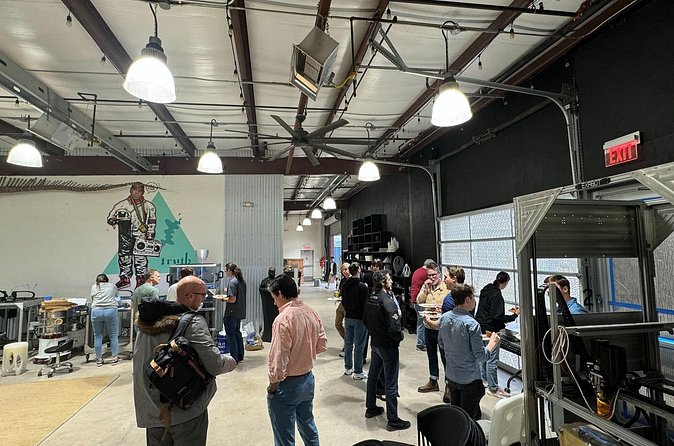
If you have ever watched 3D printing videos and thought, Nice idea, but what does it look like in real life? this tour gives you the answer fast. You’re not just looking at a small printer on a bench. You’re walking through a working facility where the goal is large-scale, industrial output.
I also like how the tour doesn’t treat 3D printing as a magic trick. You get context for how additive manufacturing fits into real production, and you get that other half of the story: what to do with plastics besides tossing them back into the same recycling loop.
The biggest practical win for you: it’s easy to fit into a day. It’s scheduled Monday to Friday between 9:30 AM and 4:00 PM, and the experience typically runs about an hour. Even if you’re not a “tech person,” the pace stays friendly and the visuals do most of the work.
You can also read our reviews of more tours and experiences in Austin.



Entering the re:3D factory: what you’ll notice first
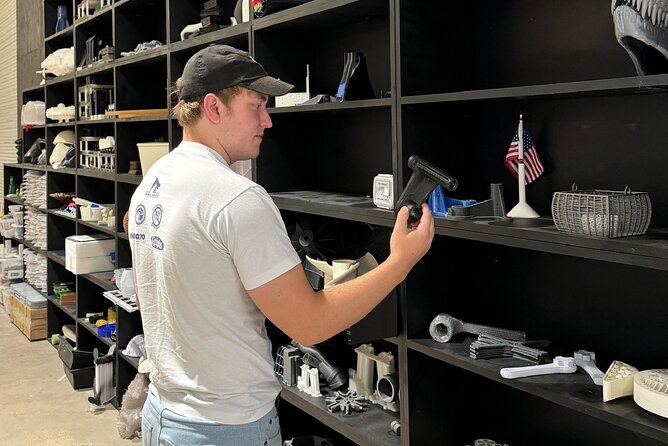
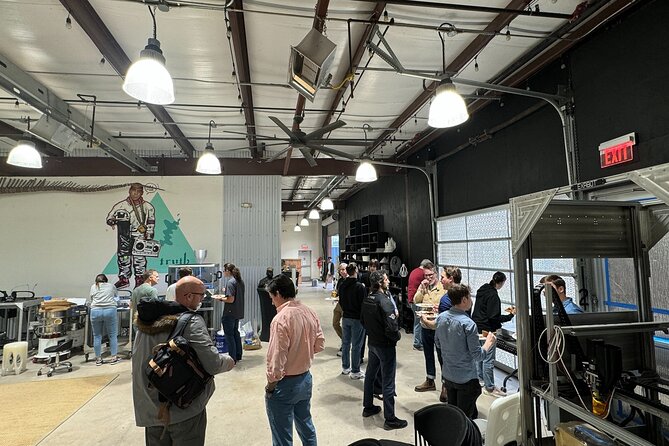
Your tour starts at re:3D, Inc. (1201 Old Bastrop Hwy, Austin, TX 78742). From there, the focus is on seeing the facility, learning the process, and making sense of how big printers create physical objects.
You can expect a guided walkthrough that includes viewing prints of different shapes, sizes, and materials. The tour is designed so you’re not stuck reading jargon on a poster. Instead, you’re shown artifacts and explained what they mean in the real world of manufacturing.
This is also where the tour’s “small details” start mattering. One reason people enjoy it so much is the tone: it’s upbeat without rushing. If someone in your group is new to 3D printing, the guide can slow things down and connect the dots step by step. If someone already knows the basics, there’s enough technical talk to keep it interesting.
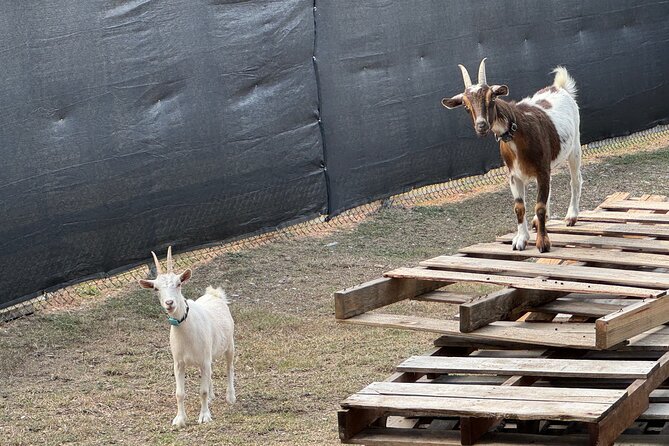
And yes, animals show up. The tour description notes baby goats, and at least one guide moment highlights a dog named Paddy as part of the fun. So if you’re traveling with kids, plan for a bit of animal-street-corner energy inside an otherwise technical setting.
Gigabot and the large-scale printer story
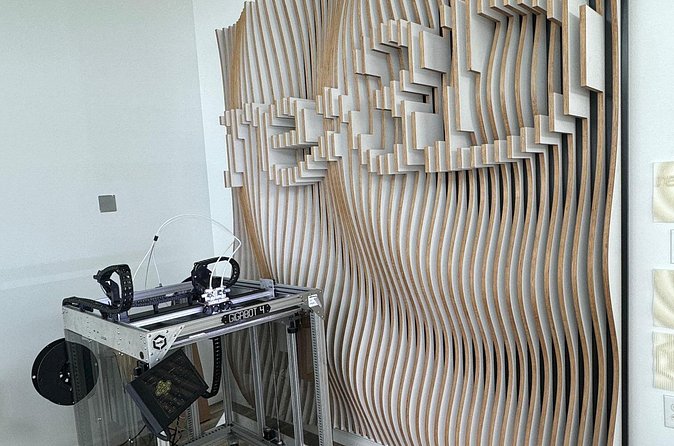
The star of the show is Gigabot, described as the world’s first affordable, large-scale, industrial 3D printer. What that means for you is that the tour’s tech isn’t stuck at “cool prototype” level. You’re seeing the direction additive manufacturing is taking toward big, practical output.
Gigabot is filament-based, so the guide can explain the process in a way that connects to what you might already know about standard 3D printers: material feeds, layer-by-layer construction, and how designs turn into objects. The twist is scale. A factory tour lets you understand why large-format printing needs more robust systems and different thinking than small desk machines.
I like the way this part of the tour helps you reason through the tech. Instead of throwing theory at you, the tour frames the printer as a tool for making things, then walks you toward why industrial-scale matters. If you’ve been curious about 3D printing but felt overwhelmed by big words, this is where the fog tends to lift.
Prints, materials, and the “so what” for real life
One reason the tour lands well is that it shows multiple outputs. You’ll see 3D prints of different forms and materials, which helps you understand that 3D printing isn’t only about novelty. It can be a production method, a design tool, and a way to create structures with real constraints in mind.
This matters because you’ll likely leave with clearer questions of your own, like:
- What kind of objects are realistically practical in large-format printing?
- How does the choice of material affect the final result?
- Where does eco impact fit into the picture?
The eco angle is handled directly. The tour is set up to explain more eco-friendly alternatives to recycling plastics. This is important because it avoids the oversimplified message that recycling alone solves everything. You get a more grounded discussion of plastic waste and what additive manufacturing can do when it’s paired with smarter material approaches.
The eco plastics message: what to listen for
When a tour mentions eco-friendly alternatives, it can sometimes feel vague. Here, the best way to get value is to listen for what the guide emphasizes about plastics beyond recycling slogans.
You’ll hear about options related to reusing materials and exploring paths that are meant to reduce waste. It’s presented as part of the company’s broader responsibility, not as a side note you can ignore. That makes the conversation stick, even if you don’t go deep into the chemistry.
If you care about sustainability, you’ll also appreciate that the tour frames eco thinking as part of the production chain. It’s not only about the printer. It’s about what goes in, what comes out, and how you handle the material world around you.






Baby goats and the human side of tech tours
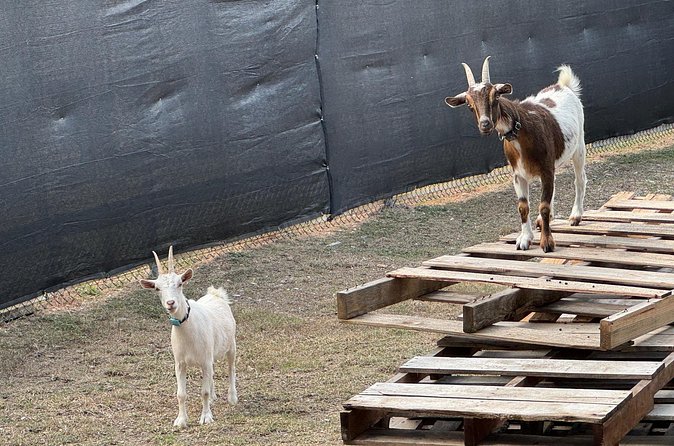
Tech tours can sometimes feel like you’re trapped in a lecture. This one tries to avoid that. The tour description includes baby goats, and the overall vibe from the experience is that it’s friendly and a bit playful.
I find that matters because it keeps the group from going stiff. When you’re talking about manufacturing and materials, the best way to learn is to stay comfortable. The small-group setup supports that too, especially for families.
If you’re bringing kids, this is one of those tours where they can point at real objects and say, I get it. The souvenir rocket helps seal the memory, but the animal moment often keeps kids patient long enough to actually learn something.
The rocket souvenir: why it’s worth paying attention to
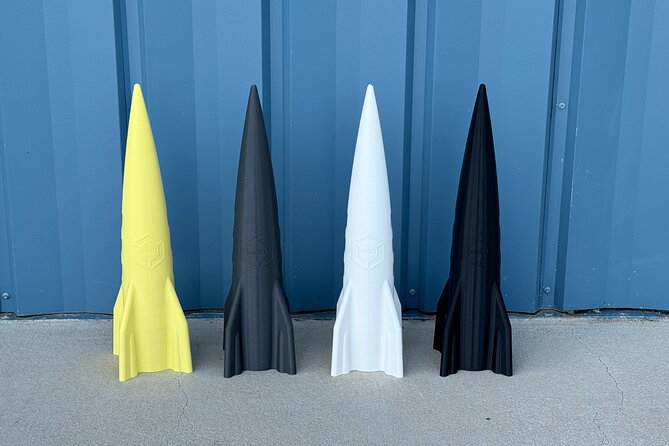
Every group receives a 3D-printed rocket souvenir. The tour notes that each group of 10 people gets a rocket, and the overall feedback emphasizes that the surprise gift is a meaningful part of the experience.
From a value perspective, that’s not a throwaway gimmick. A rocket is a great “design hook,” because it forces you to think beyond the printer as a machine. You start imagining how the printer turns a digital idea into a physical artifact you can hold.
It also makes the tour feel fair. For $22 per group (up to 15), the rocket adds real “done something today” energy. And since the pricing is per group, you can stretch value by traveling as friends, a family cluster, or a small team.
Price and value: $22 per group can be a bargain
The cost is $22.00 per group, with a group size up to 15. That matters because you’re not paying per person. If you book with a full group, the per-person cost drops dramatically.
To help you judge the value, here’s a simple way to think about it:
- With a full group near the cap (15 people), it’s very low cost per head.
- With a smaller party, it costs more per person, but you’re still getting the factory access, the guided explanation, and the rocket souvenir.
Is it the same as a big museum ticket with hours of exhibits? No. It’s a focused hour-long factory experience. But for tech curiosity and a fun Austin learning stop, it’s a strong use of time.
Also, this kind of factory tour is hard to find elsewhere without special industry access. Here, it’s set up for visitors with a straightforward schedule during weekday hours.
Timing: how to plan around the 45–60 minute visit
You should plan on about 45 minutes to 1 hour. That time window is good for most schedules, but it does shape expectations.
You’re going to see key areas and hear the main story beats. You won’t have time for extended, hands-on experimentation. If your “ideal tour” is more like a workshop where you do the work yourself, you might feel it’s brief.
On the flip side, short and focused tours are great if you’re with kids, have a tight itinerary, or want a single tech stop without committing your afternoon. With a maximum group size of 15, you also usually get better interaction than you would on larger tours.
Getting there and day-of details that matter
The tour runs Monday through Friday between 9:30 AM and 4:00 PM, and it’s scheduled for the period listed as 09/16/2025 to 04/30/2026. You’ll want to check your specific date because the operating window depends on that range.
The meeting point is on Old Bastrop Hwy, and the activity is noted as near public transportation. A mobile ticket is used, so you can keep everything on your phone.
If you’re booking close to your visit time, confirmation timing can be quicker or later depending on how close to start you are. The safest move is to book early when possible, and based on how far in advance this tends to sell out, booking around 12 days in advance on average can help.
Finally, the experience requires good weather. If poor weather forces a change, you’ll be offered another date or a full refund.
Who this tour fits best (and who might skip it)
This tour is a great fit if you want:
- A short, guided introduction to 3D printing beyond the basics
- A look at industrial-scale printing through Gigabot
- A fun Austin activity with a memorable souvenir
- An eco-focused conversation about plastic alternatives, not just a tech pitch
It’s also especially good for mixed groups. Beginners can follow the process, and people with existing interest can ask questions and connect what they know to what’s happening in the facility.
Who might skip it? If you’re after a hands-on maker class, you might want something more workshop-based. And if you only want very advanced technical training, an hour of explanation may leave you hungry for more lab time.
Should you book the 3D Printer Factory Tour plus 2 ft Tall Rocket?
Yes, if you want a focused, high-impact hour in Austin. For $22 per group with a 3D-printed rocket souvenir, plus a real factory walk-through and a clear look at large-format printing, it’s a strong value. I’d book it especially if you’re traveling with kids, curious teens, or anyone who likes seeing how ideas turn into physical objects.
If your group is only into deep, hands-on engineering activities, then treat this as an educational viewing tour rather than a build session. Otherwise, this is the kind of place where you leave with new questions, a better sense of how big printers work, and something cool in your hands to remind you of it.
FAQ
How much does the re:3D 3D printer factory tour cost?
It costs $22.00 per group, with a maximum group size of up to 15.
How long is the tour?
The tour lasts about 45 minutes to 1 hour.
What is the maximum group size?
The maximum is 15 travelers.
What language is the tour offered in?
The tour is offered in English.
Where does the tour start?
It starts at re:3D, Inc., 1201 Old Bastrop Hwy, Austin, TX 78742, USA, and ends back at the meeting point.
Is a mobile ticket used?
Yes, the tour uses a mobile ticket.
Do I get a rocket souvenir?
Yes. Each group receives a 3D-printed rocket souvenir.
What are the hours for the tour?
The tour is scheduled Monday through Friday from 9:30 AM to 4:00 PM.
Does weather affect the tour?
Yes. The experience requires good weather. If it’s canceled due to poor weather, you’ll be offered a different date or a full refund.
Is service animal access allowed?
Yes, service animals are allowed.