
REVIEW · AUSTIN
Austin: Neill-Cochran House Museum
Book on GetYourGuide →Operated by Neill-Cochran House Museum · Bookable on GetYourGuide
A quiet house tour in Austin hits harder than you expect. At the Neill-Cochran House Museum, you get historically furnished rooms from an 1856 residence plus Austin’s only intact slave quarters, and I really like how the museum ties those spaces to real Austin-era timelines. One thing to consider: you’ll need to follow house rules closely (no food, no touching exhibits, and no selfie sticks), since it’s a working museum space.
I also like that you can go self-guided at your own pace with a self-guided audio tour, while still having access to rotating art and history exhibits. If you’re hoping for a more interactive docent-led format, that’s limited to groups of 6 or more arranged ahead of time, so self-guided is the easiest fit for most solo visitors and couples.
In This Review
- Key things I’d plan around at Neill-Cochran House Museum
- Finding the Neill-Cochran House Museum near UT Austin
- Inside an 1856 residence: rooms, context, and what you’ll notice
- Austin’s only intact slave quarters: the part you should give time to
- Self-guided audio tour: how to pace it and get the most value
- Docent-led tours: when to choose them (and when to skip)
- Rotating exhibits: using art to expand the house story
- Getting around inside: stairs, wheelchairs, and how to request help
- Rules that keep the visit respectful (and save you from awkward moments)
- Price and value: is $10 worth your time?
- Who should book the Neill-Cochran House Museum?
- Should you book Neill-Cochran House Museum?
- FAQ
- How much is the Austin Neill-Cochran House Museum?
- How long is the activity valid?
- Is a self-guided audio tour included?
- Are docent-led tours available?
- Where do I park?
- Is the museum wheelchair accessible?
- What’s not allowed during the visit?
Key things I’d plan around at Neill-Cochran House Museum
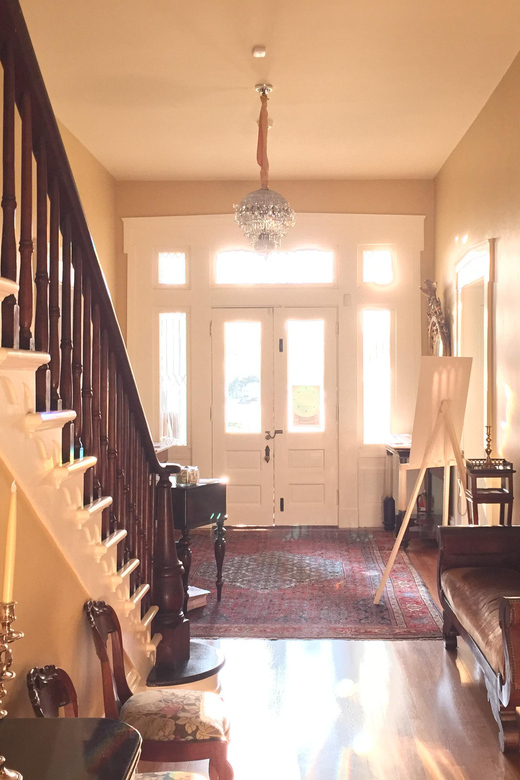
- Austin’s only intact slave quarters inside an 1856 historic residence
- Self-guided audio tour so you can control your pacing
- Historically furnished rooms that connect daily life to major Austin eras
- Rotating exhibits that add new angles, like Juneteenth Rodeo and Freemasonry
- First-floor wheelchair access, plus second-floor interpretive materials available on request
Finding the Neill-Cochran House Museum near UT Austin
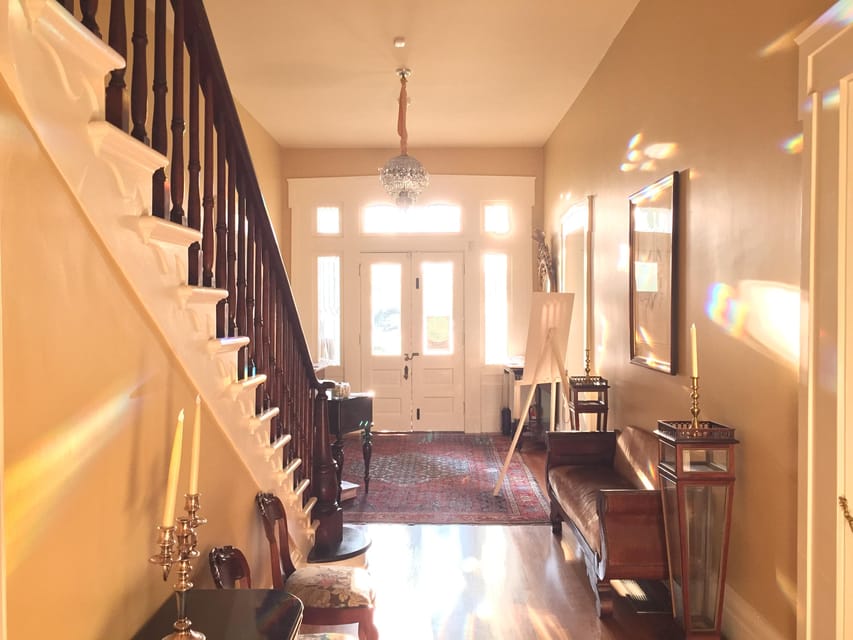
The Neill-Cochran House Museum sits just a few minutes’ walk from the University of Texas at Austin. That matters, because it means you can pair it with an easy day around campus without turning it into a whole logistics project.
You’ll start at the front entrance, register at the front desk, and then begin your tour from there. The museum ends back at the meeting point, so you’re not wandering off to a far end of the property and trying to figure out how to “get back.” It’s simple, and that simplicity helps if your schedule is tight.
The museum experience is built around one big idea: the house is the lesson. You’re not only looking at objects in glass cases. You’re walking through historic rooms and seeing how the property functioned over time—then you layer in rotating art and history exhibits to keep it from feeling like a static time capsule.
You can also read our reviews of more museum experiences in Austin


Inside an 1856 residence: rooms, context, and what you’ll notice
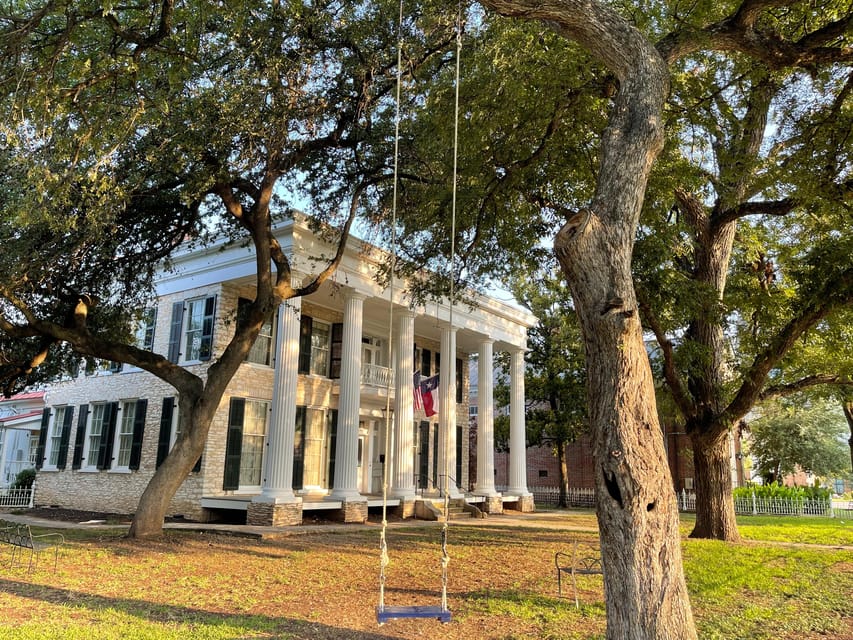
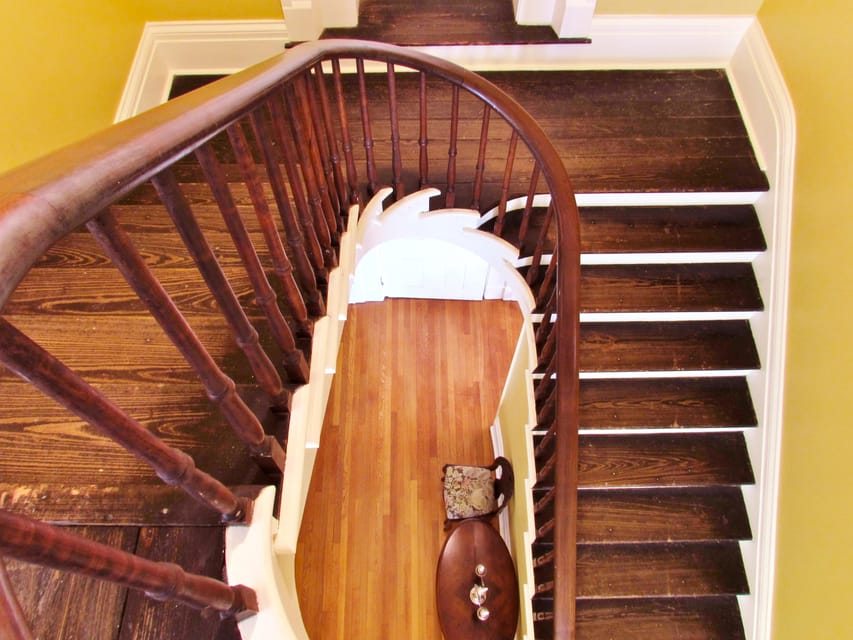
This place is one of Austin’s oldest historic residences, built in 1856. What that gives you is a physical sense of time. You can stand in spaces that predate much of the city’s modern sprawl and connect them to Austin’s broader story, from the city’s birth in 1839 up through 1930.
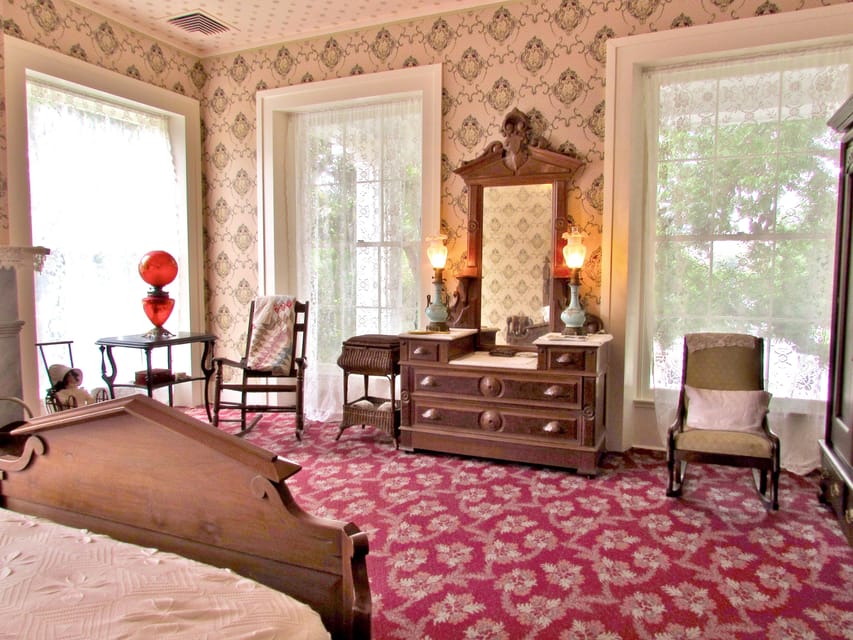
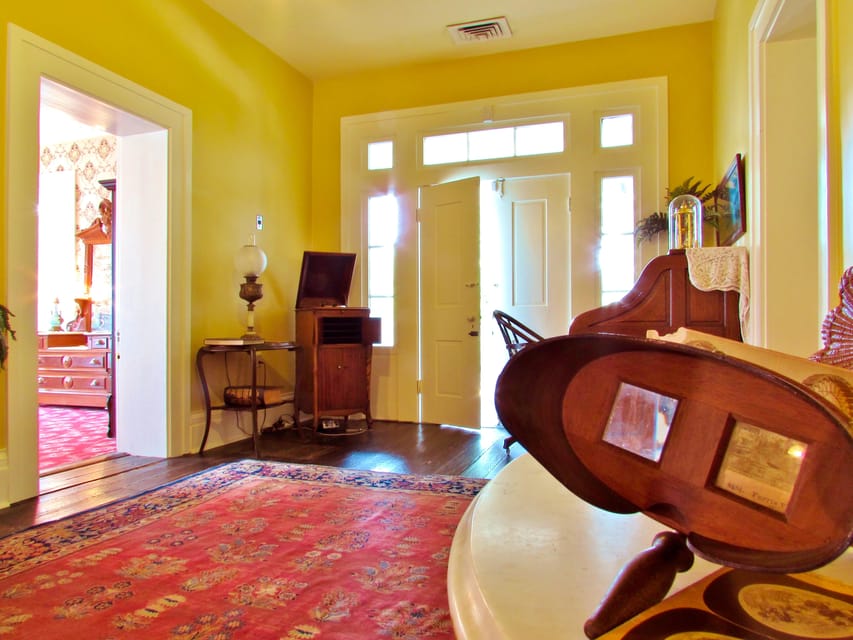
The museum uses historically furnished spaces, which is a big deal. Furnishings help you visualize what everyday life might have looked like in that era—where people moved, how rooms were used, and what different parts of the home might have meant socially. It’s not just architectural curiosity. It’s built to help you read the house like a record.
When you move room to room, watch for the museum’s interpretive approach. The goal isn’t to overwhelm you with facts in one burst. It’s to give you enough direction so the rooms start to make sense as a system—family life, work life, and the realities tied to slavery that existed in Austin at the time.
If you like tours that feel guided by the spaces themselves (not a lecture), this one tends to fit. If you prefer faster, strictly “highlight reel” sightseeing, you may find you want to control how much reading you take in at each stop. The audio format helps with that.
Austin’s only intact slave quarters: the part you should give time to
The headline highlight here is significant: the museum includes Austin’s only intact slave quarters. That’s not a small add-on. It’s a core part of what the museum preserves and shares.
What makes this especially valuable is that it’s not presented in isolation. You’re seeing the historic residence as a whole, then learning how the quarters fit into the broader site and time period. If you pay attention to how the museum organizes your movement through the property, you’ll see how it’s trying to help you understand relationships of the time—who lived where, and how power shaped daily life.
I’d encourage you to slow down during this portion. Don’t rush through because you’re trying to “finish the house.” This is the emotional and historical center of the visit. If you treat it like the main stop rather than a sidebar, you’ll get more from everything else you see afterward.
Also keep in mind the house rules: you’re not allowed to touch exhibits, and you’ll want to stay mindful of your own feet and posture—no bare feet, no food, and no drinks. Museum etiquette here is part of respect for the space, and it keeps the focus on what the museum is trying to communicate.
Self-guided audio tour: how to pace it and get the most value
The self-guided option includes a self-guided audio tour, and it’s designed to work across the full historic site. That means you’re not choosing between “seeing the house” and “seeing the exhibitions.” With self-guided, you get access to every part of the historic site plus the rotating art exhibitions.
Here’s how to get better value out of the audio tour. Don’t try to listen to everything at full speed. Instead, stop walking when something catches your attention. If you hear a detail that connects two rooms, pause long enough to stand in the right spot. That way the audio acts like a guide for what you’re seeing, not just background noise.
You’ll also have rotating exhibits to round it out. Recent examples include:
- A Juneteenth Rodeo, including Sarah Bird’s photography of 1970s Black rodeos
- Freemasonry and the NCHM, which looks at Freemasonry’s impact on the site and the city of Austin
This “then and now” mix is one reason the museum feels more alive than some historic houses. The 1856 residence anchors you in a specific time and place, and the rotating exhibits bring in other chapters—social life, identity, and civic influence—without pretending the house story is the only story.
If you like flexibility, self-guided is the easiest way to match your energy level. You can go in “quiet and careful” mode, or you can do a lighter pass through the interpretation and spend more time with the exhibits.
Docent-led tours: when to choose them (and when to skip)
Docent-led tours are available, but they’re limited. They’re for groups of 6 or more, and they must be arranged 3 days in advance.
If you’re traveling solo, this likely won’t be your path. Self-guided is straightforward: you register, start at the front entrance, and use the audio tour at your own pace.
Docent-led tours can be great if your group wants real-time Q&A or a more conversational explanation. But with the advance arrangement requirement, it’s something you plan around rather than something you decide at the last minute.
So, my practical advice: unless you’re coordinating a group that can meet the docent-led requirements, go self-guided. It’s built for independent visitors, and it still gives you access to the full historic site and rotating exhibits.





Rotating exhibits: using art to expand the house story

One of the most enjoyable things about this museum is that it doesn’t freeze Austin history into one display style. The museum shares Austin and Texas history through the historic property—then it refreshes the visitor experience using rotating art and history exhibitions.
For instance, the recent exhibit A Juneteenth Rodeo, with Sarah Bird’s photography of 1970s Black rodeos, adds an important lens. It connects culture and community to a later time period, showing that the story of Austin isn’t only about buildings and dates. It’s also about people, events, and representation.
Freemasonry and the NCHM brings a different kind of context: how organizations shaped a property and influenced the city. If you’ve ever wondered why some historic places have layers of meaning beyond architecture, this kind of exhibit helps answer that.
The key for you: don’t treat rotating exhibits as “extra.” Plan time for them. They’re part of the museum’s value at this price point because they keep your visit from being a one-note walk through time.
Getting around inside: stairs, wheelchairs, and how to request help
Wheelchair access is supported on the first floor. First-floor historic rooms, exhibits, and restrooms are wheelchair accessible.
If you want to access second-floor exhibits, the museum provides interpretive materials upon request. So you won’t be left without context—there’s a way to get the information even if the physical access isn’t the same as the first floor.
If mobility is a concern for you, it’s worth thinking ahead about your comfort level with the route and where you may want to slow down. The museum is built as a walk-through experience, so wearing comfortable, supportive footwear is smart—especially because bare feet are not allowed.
Rules that keep the visit respectful (and save you from awkward moments)
Museums run on quiet rules, and this one is clear. Here’s what you should know before you arrive:
- No food or drinks
- No pets (assistance dogs allowed)
- No red wine (and no alcohol and drugs)
- No selfie sticks
- No vaping
- No fireworks or explosive substances
- No touching exhibits
- No bare feet
It sounds strict, but it protects the historic rooms and keeps the atmosphere focused. If you’re coming straight from lunch, plan for a snack-free visit and grab food afterward. And if you’re the type who takes lots of photos, remember that selfie sticks are a no-go here—regular handheld photos are usually fine, but check with the staff if you’re unsure about your setup.
These rules matter because they affect flow. When everyone follows them, you won’t have people bumping into you, blocking pathways, or treating fragile spaces like a playground.
Price and value: is $10 worth your time?
At $10 per person, this is one of those Austin experiences that punches above its weight. The value comes from three things working together:
- A historic residence you can actually tour, not just view from the outside
- A major preserved element (Austin’s only intact slave quarters) that gives the visit real weight
- Self-guided audio plus rotating exhibitions, so your time isn’t spent only on one fixed storyline
Even if you’re not a “history house” person, you’re still getting a mix of place-based interpretation and changing exhibits. That combination makes the museum feel less repetitive and more worth returning to when new exhibits show up.
If you’re on a budget, $10 is the kind of price that lets you add a meaningful stop without derailing your day. If you’re short on time, you’ll want to pick an entry time and stick to it, so you can finish with energy instead of rushing at the end.
Who should book the Neill-Cochran House Museum?
This is a great fit if you want:
- An Austin historic house tour that goes beyond pretty rooms
- A self-guided experience with an audio tour so you can control pace
- A stop near UT Austin that’s walkable and easy to stack with other plans
- A visit that includes rotating art and history exhibits, not only the house
It might not be your first choice if:
- You strongly prefer large, guided group experiences right on arrival (docent-led needs groups of 6+ and advance arrangement)
- You dislike structured museum rules and quiet interpretation
Should you book Neill-Cochran House Museum?
Yes—if you’re looking for a well-run historic house visit with real historical substance, and you want to pair it with changing exhibits at a fair price. The self-guided audio format makes it accessible for most schedules, and the focus on historically furnished spaces plus Austin’s only intact slave quarters gives the visit lasting meaning.
Book it if you can slow down for at least the most important parts of the house, and if you appreciate museum etiquette. Skip it only if you need a strictly hands-on, fast-and-flashy attraction. Otherwise, this one is a smart Austin stop that respects your time and your attention.
FAQ
How much is the Austin Neill-Cochran House Museum?
The price is listed as $10 per person.
How long is the activity valid?
It’s valid for 1 day. You’ll need to check availability to see starting times.
Is a self-guided audio tour included?
Yes. The self-guided audio tour is included.
Are docent-led tours available?
Docent-led tours are available, but they’re limited to groups of 6 or more and must be arranged 3 days in advance.
Where do I park?
Free parking is available behind the museum off 23rd Street between San Gabriel Street and Leon Street.
Is the museum wheelchair accessible?
Yes. First-floor historic rooms, exhibits, and restrooms are wheelchair accessible. Interpretive materials for second-floor exhibits and displays are available upon request.
What’s not allowed during the visit?
Food and drinks, pets (assistance dogs allowed), red wine, selfie sticks, vaping, alcohol and drugs, fireworks, explosive substances, touching exhibits, and bare feet are not allowed.