
REVIEW · AUSTIN
Austin: Wonderspaces Interactive Art Exhibition Entry Ticket
Book on GetYourGuide →Operated by Wonderspaces Austin LLC · Bookable on GetYourGuide
Interactive art that listens back. With a Wonderspaces Austin entry ticket, you walk into a rotating lineup of multimedia installations from artists around the world, using things like projection mapping and AI to shape what you see. I especially like the hands-on feel, where the art invites you to move, interact, and pay attention.
I also like that it is built for a wide range of ages, so it works for families and date nights alike—yet it stays focused at about 75 minutes. The main thing to consider is safety around visual effects: a few installations include flashing images and patterns, which makes it not suitable for people with epilepsy.
In This Review
- Key highlights at a glance
- Wonderspaces Austin: What you get for $27 and 75 minutes
- The rotating lineup: Why it helps even if you have been before
- How the experience unfolds inside the show space
- What makes the art feel interactive (and not just loud)
- Rules that affect your visit: Bags, cameras, pets, and photos
- Not allowed
- Allowed
- The waiver
- Timing and pacing: When 75 minutes feels perfect (or not)
- Food, drinks, and taking breaks at the bar
- Who should book Wonderspaces Austin (and who should skip it)
- Consider skipping if…
- A small but useful planning tip
- FAQ
- FAQ
- How long is the Wonderspaces Austin entry ticket?
- What is included with the ticket?
- Do I need to pay extra for food or drinks?
- Can I bring outside food or beverages?
- What camera gear is allowed?
- Are pets allowed inside the exhibit?
- Is the space wheelchair accessible?
- Do children need a ticket?
- Do I have to sign a waiver?
- Is this suitable for people with epilepsy?
- Should you book this ticket?
Key highlights at a glance

- Rotating multimedia installations that change periodically, so repeats feel fresh
- Hands-on interaction where you are part of the artwork, not just watching
- Projection mapping and AI elements you might catch depending on the current lineup
- All ages-friendly design with art that feels playful but still thought-provoking
- Strict photo and bag rules that keep the space focused and safe
Wonderspaces Austin: What you get for $27 and 75 minutes
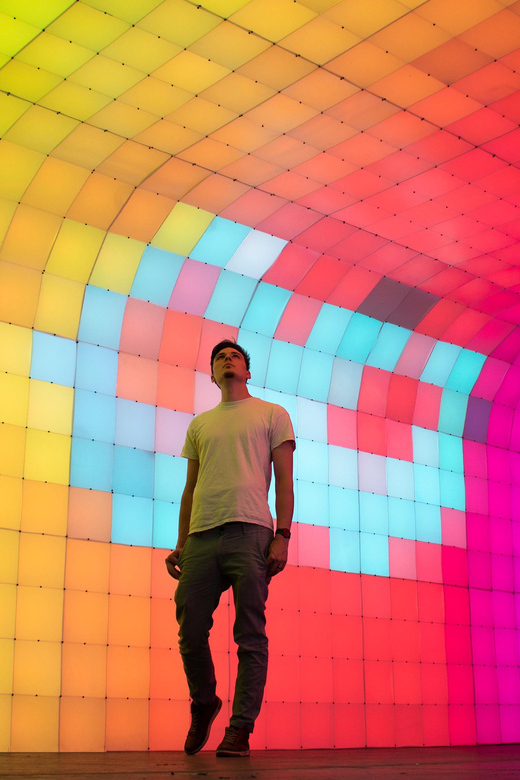
For $27 per person, the value here comes down to time and access. You are buying entry to a full run of the current installations, and the whole experience is designed to land in about 75 minutes. That is long enough to have fun, get “okay, I get it” moments, and still short enough to fit into a busy Austin day without feeling like a half-day commitment.
This is also a good ticket if you like modern art but do not want a stuffy museum pace. The setting is built around participation—sometimes you are moving through light and sound, sometimes you are changing what the work does simply by being there and engaging with it. Even if you are more practical than poetic, you can still enjoy it because the experience gives you clear prompts through the art itself.
And the price makes sense in the context of what you are allowed to do: you get access to all current installations, not just one or two highlights. If you come expecting a quick stop, you will feel the time is fair. If you come expecting a multi-hour gallery crawl, you may wish you had planned a longer slot elsewhere.
You can also read our reviews of more tours and experiences in Austin

The rotating lineup: Why it helps even if you have been before

Wonderspaces Austin runs a changing lineup. The works are subject to change, and the show often updates its installations periodically. That matters more than it sounds.
First, it keeps the experience from feeling like a one-and-done checklist. If you are local or you plan to return on another trip, you are not stuck re-watching the same set of tricks. There is also a very real benefit to going once now rather than waiting for the perfect future date—because you can only know what is currently in there by visiting.
Second, the rotating model is what keeps the “multimedia” part feeling current. Some installations lean on projection mapping and AI, and those tech-forward styles tend to evolve over time. The show’s format is built around that energy: you go, you interact, and you leave with new visual patterns in your head rather than a static set of photos.
The short review history backs this up with repeat satisfaction. People have returned and still liked the experience, and the common theme is simple: when the lineup changes, it does not turn into a repeat performance in the worst way.
How the experience unfolds inside the show space

You should think of Wonderspaces Austin less like a lecture and more like a sequence of rooms where the art changes your senses.
Here is the rhythm you can expect:
- You enter and get set up for what to do in the space, including signing a waiver before you are admitted.
- Then you move through the installations at your own pace, engaging with whatever is active in the current lineup.
- Along the way, you may encounter different styles of interaction—some works respond to your presence, while others ask for a more hands-on approach.
Because the lineup can rotate, I cannot promise the exact order of rooms. But I can tell you what tends to make the experience work: the installations are designed so you can figure out how to interact without needing an art-history degree. If you are willing to experiment with your attention—watch closely, then try the interaction—you will get more out of it.
Also, expect a strong visual environment. The show uses flashing lights, images, and patterns in a few installations. That is thrilling for many people and a problem for others. If you are sensitive to light or have a condition that can be triggered by flashing visuals, this matters a lot.
What makes the art feel interactive (and not just loud)
Interactive art can be gimmicky. This one generally feels more thoughtful because the interactions are tied to the work’s design, not just random motion.
In plain terms, you will likely see multimedia installations that combine:
- Projection mapping (moving light over surfaces)
- AI elements (work that can feel responsive or adaptive)
- Hands-on participation (you influence what happens)
Here is the payoff for you: the experience nudges you into a kind of “active viewing.” You are not only looking; you are testing your role in the artwork. That keeps it engaging even if you start out unsure what you are supposed to do.
Another quiet plus: the art show space is meant to be accessible for a wide audience. That does not mean it is dumbed down. It means the format tries to remove barriers—so you can enjoy contemporary art without needing context first. You get the meaning through the interaction itself.
Rules that affect your visit: Bags, cameras, pets, and photos

This is where you want to read carefully, because the rules shape the comfort level in the space.
You can also read our reviews of more museum experiences in Austin


Not allowed
You cannot bring:
- Luggage or large bags
- Pets (assistance dogs allowed)
- Selfie sticks
- Professional cameras
- Flash photography
- Tripods
Allowed
You can bring yourself and a normal amount of personal items, but plan to travel light. Large bags and luggage are a hard stop, and the camera restrictions mean you should expect fewer, more careful photos than you might at a typical attraction.
Why this matters: interactive art spaces work best when everyone can move freely and stay focused on the experience. These rules help keep the flow and reduce distractions. The tradeoff is that you may feel a little limited if you were hoping to shoot lots of high-quality video.
The waiver
All visitors must sign a waiver prior to being admitted. If you are coming with kids, plan a moment for paperwork before the fun starts.
Timing and pacing: When 75 minutes feels perfect (or not)
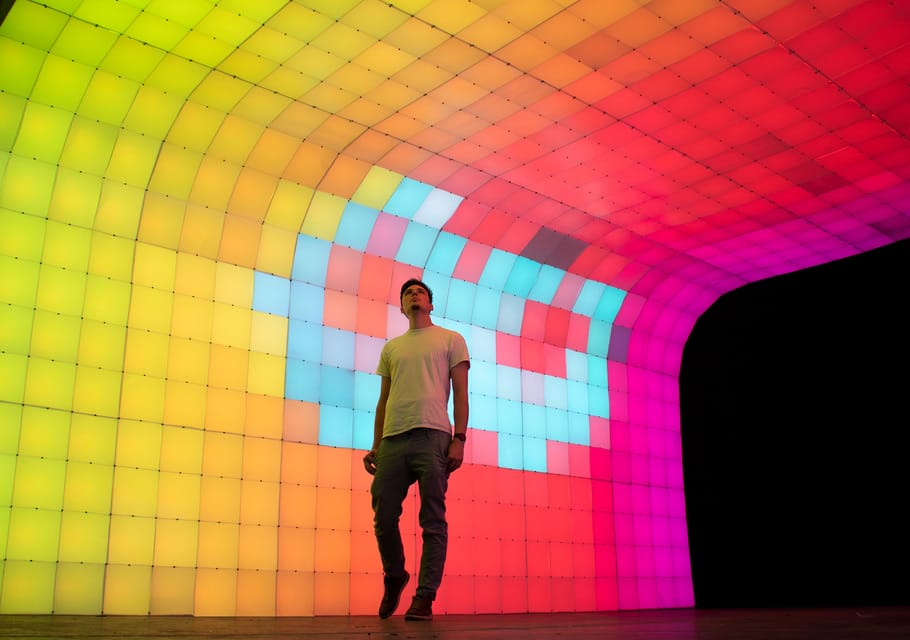
The ticket is built around 75 minutes. That is a strong advantage in Austin, where you might want to stack something else the same day—food, music, or a quick walk around downtown.
I like this duration because it creates a sweet spot:
- Long enough to enjoy multiple installations without rushing every second
- Short enough that you are not mentally worn out before the best rooms
You might still want to move at a steady pace. Interactive spaces can slow you down because you keep stopping to watch what changes. If you are the type who needs time to decompress, plan to arrive with that in mind. If you rush, you can miss the point of certain interactions. If you linger too long, you may feel the clock and lose the relaxed vibe.
Food, drinks, and taking breaks at the bar
Food is not part of the ticket. You can buy drinks during your visit, including signature cocktails and mocktails from the bar. No outside food or beverage is permitted.
This is the practical way to plan: treat it as an art stop first, then as a drink-and-chat moment after. If you get hangry, you will want a plan for Austin food either before or after your showtime. You will not be able to bring snacks into the space.
If you are traveling with kids, the best move is to handle snacks outside the show area. Inside, focus on the installations and save the break for after your last room.
Who should book Wonderspaces Austin (and who should skip it)
I think this ticket works best for people who:
- Like modern art, but want the experience to feel playful and hands-on
- Enjoy tech-style visuals such as light, projections, and responsive effects
- Want a short attraction that still feels memorable
- Are visiting with mixed ages and want one activity that does not alienate everyone
Consider skipping if…
- You have photosensitive epilepsy or you know you react badly to flashing images, lights, or patterns. A few installations contain those triggers.
- You need a lot of camera freedom. Flash photography, professional cameras, selfie sticks, and tripods are not allowed, so plan for limited photo style.
- You are traveling with large luggage. The “no large bags” rule can be a hassle if you are using rideshare and do not want to carry everything.
A small but useful planning tip
If you are going more than once, the rotating lineup is a big reason to return. People have had repeat visits and still enjoyed it, and the change schedule is what makes that plausible.
FAQ
FAQ
How long is the Wonderspaces Austin entry ticket?
The experience duration is listed as 75 minutes. Check availability to see starting times.
What is included with the ticket?
Your ticket includes entry to Wonderspaces Austin and access to all current art installations.
Do I need to pay extra for food or drinks?
Curated food and drinks are not included. You can purchase drinks during your visit, including signature cocktails and mocktails from the bar.
Can I bring outside food or beverages?
No. No outside food or beverage is permitted.
What camera gear is allowed?
Professional cameras are not allowed, and flash photography is not allowed. Selfie sticks and tripods are also not allowed.
Are pets allowed inside the exhibit?
Pets are not allowed, but assistance dogs are allowed.
Is the space wheelchair accessible?
Yes. Wonderspaces Austin is ADA accessible.
Do children need a ticket?
Children under three years old do not require a ticket. Adult supervision is required for visitors under sixteen.
Do I have to sign a waiver?
Yes. All visitors must sign a waiver prior to being admitted into the space.
Is this suitable for people with epilepsy?
No. The information states it is not suitable for people with epilepsy, and that some installations include flashing lights, images, and patterns that may trigger seizures.
Should you book this ticket?
If you want a modern art experience that is designed for interaction—and you can handle a light-and-sound environment—then yes, book it. The price is fair for a full run of installations, and the 75-minute timing makes it easy to fit into a day in Austin.
I would hesitate only if you are sensitive to flashing visuals or need lots of photo freedom. If either of those is you, this may not be the right stop. Otherwise, expect a fun, thought-stimulating walk through changing multimedia works, and you will likely leave with the kind of strange, cool visuals that stick around longer than you expect.