REVIEW · AUSTIN
Austin iFLY Skydiving Simulator with Instructor and Gear
Book on GetYourGuide →Operated by iFLY Indoor Skydiving · Bookable on GetYourGuide
One sentence that grabs you: this is skydiving without the jump. Austin iFLY lets you experience the rush of freefall in a wind tunnel, with one-on-one coaching on how to control your body in the air. I really like that you get full flight gear and training before you ever step into the tunnel. I also like the professional instructor focus, because the coaching is about real body positions, not just watching screens. The one drawback to consider: at $135, if you’re expecting lots of time at full intensity, you may find the actual flying time feels short.
You’ll spend 90 minutes total at the venue, including check-in, getting fitted, and learning what to do. iFLY keeps things kid-friendly while still being challenging for adults and fun for teens, so it works as a group activity without feeling like a gimmick. I’d say plan on following instructions closely and be honest about any limits, especially around weight and health. If you fit the requirements, it’s a great way to taste skydiving for far less than the real thing.
In This Review
- Key points before you go
- Austin iFLY Wind Tunnel: What You’re Actually Buying
- The 90-Minute Flow at the Venue (and why it’s worth it)
- Safety and Instruction: How iFLY Keeps It Fun
- Gear Up Right: What’s Included and What to Bring
- Inside the Tunnel: Learning to Control Your Flight
- What Makes It Worth $135 (and what could feel pricey)
- Who This Works Best For (and who should skip it)
- Getting the Most From Your Instructor in Austin
- Gear, Noise, and Comfort: Small Details That Affect Your Flight
- Quick Austin Planning Tips (so the day stays easy)
- Should You Book Austin iFLY Indoor Skydiving?
- FAQ
- How long is the Austin iFLY skydiving simulator experience?
- What’s included in the price?
- Do I need to bring a passport or ID?
- How old do you have to be to fly?
- Is there a weight limit?
- Can pregnant women participate?
- Does it include a real freefall time?
- Is it suitable for people with injuries or health conditions?
- Are photos included?
Key points before you go

- Real coaching in the tunnel: you practice body positions with an instructor guiding you
- All the gear is provided: suit, helmet, goggles, earplugs, shoes, and more
- About 2 minutes of freefall time: a satisfying chunk of controlled flying
- 90 minutes on-site: enough time for training, setup, and your flight
- Clear limits for safety: age and weight rules matter, and health conditions can disqualify you
Austin iFLY Wind Tunnel: What You’re Actually Buying
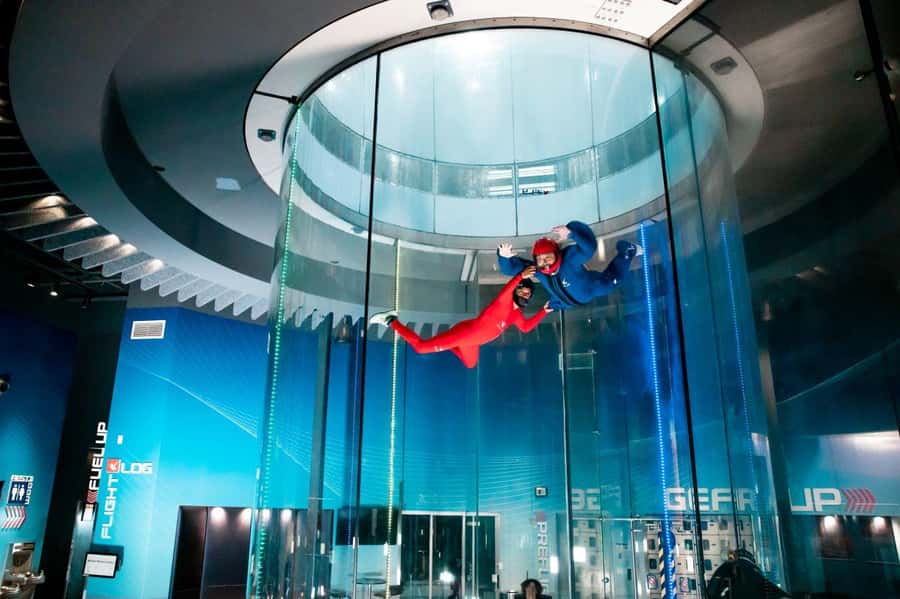
For $135 per person, you’re not buying a video game version of skydiving. You’re buying a structured lesson that ends with you flying in a vertical wind tunnel using state-of-the-art equipment from the ground. The big value here is control: you learn the basics with staff guidance, then you get a real session that feels like freefall.
The 90 minutes on-site matters because it gives time for training, gear fitting, and safety steps. Some experiences feel rushed, but this one is built around preparation. You’ll feel the fun fast, but you’ll also get the kind of coaching that helps your body do what your brain wants.
The best part for many people is the cost-to-thrill ratio. A tandem jump is expensive and weather-dependent. Here, you swap that uncertainty for a consistent experience indoors, with guidance that tries to make the flight feel both safe and real.
You can also read our reviews of more tours and experiences in Austin.



The 90-Minute Flow at the Venue (and why it’s worth it)
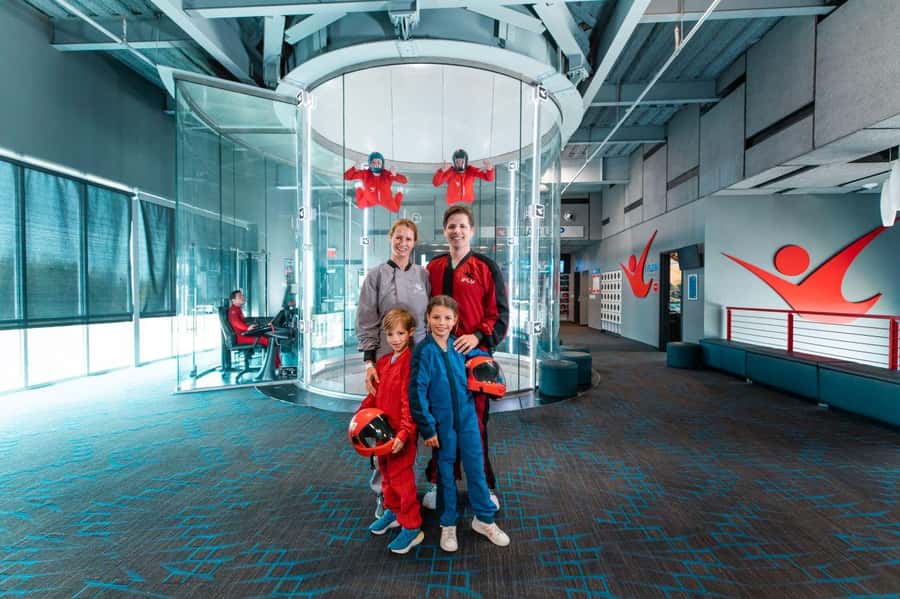
Your visit starts when you meet at the activity provider’s location. After that, expect a typical rhythm: check-in and paperwork, safety info, gear fitting, training, and then your turn in the tunnel. The schedule can vary by starting times, so pick a time that gives you breathing room before or after.
The training piece is where the experience becomes more than a one-time thrill. You’ll get instruction on making different body positions so you can control how you fly inside the tunnel. That’s key. If you only got a free ride, you’d spend the whole session guessing. Instead, the goal is for you to understand what to do with your arms, legs, and posture to steer your flight.
Then you’ll gear up and head into the tunnel. You’ll get helmets, goggles, earplugs, a flight suit, and shoes as part of the package. With that setup done right, you can focus on learning and flying, not on figuring out equipment.
Safety and Instruction: How iFLY Keeps It Fun
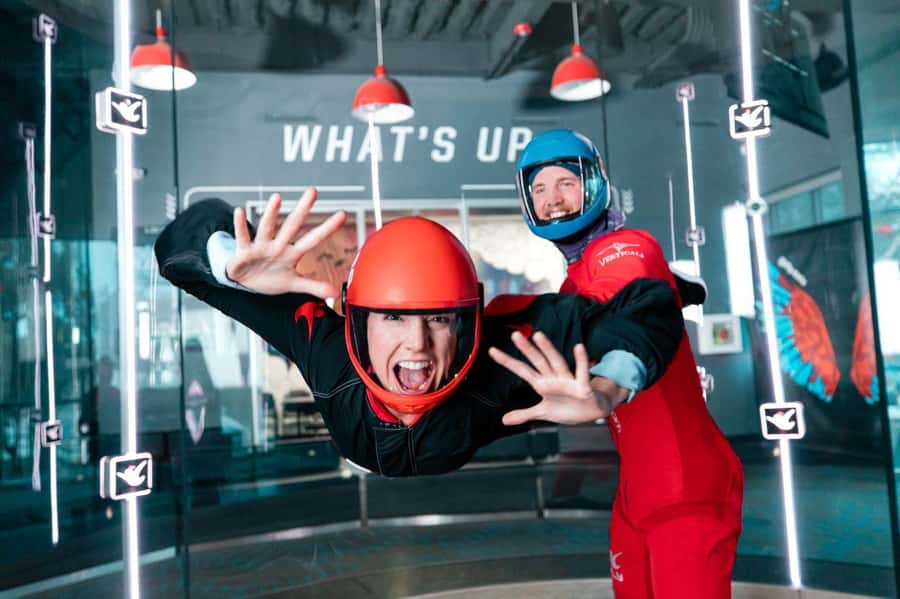
Indoor skydiving is controlled, and that control comes from two things: a trained instructor and a setup designed around safety. You get one-on-one instruction as you learn body positions, which is the practical way the venue translates safety rules into real performance.
If you’ve ever been nervous about heights or jumping out of a plane, this format is often easier to stomach. You still feel the force and the adrenaline rush of freefall, but you’re doing it in a guided environment where staff are watching your form.
That doesn’t mean it’s casual. The tunnel session challenges your balance and body awareness. Adults often find it harder than they expect, not because it’s dangerous, but because your brain has to learn a new way to move while you’re flying.
Gear Up Right: What’s Included and What to Bring
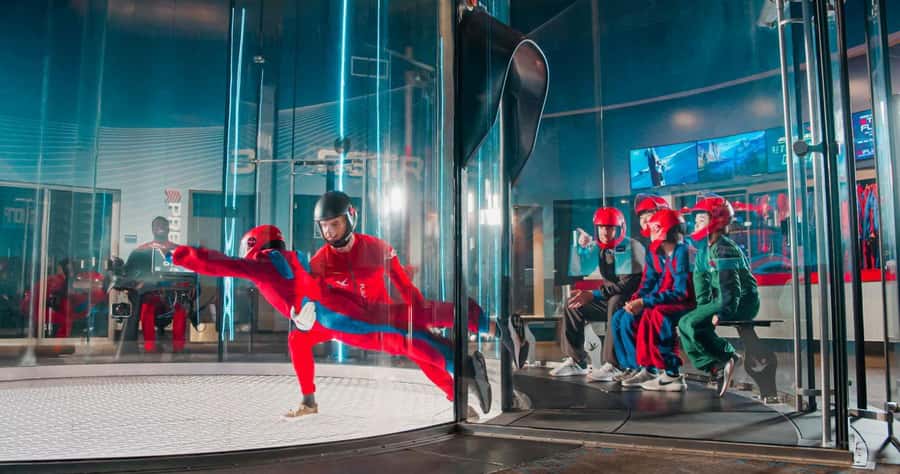
One of the easiest wins here is the equipment. iFLY provides the whole setup:
- Skydive simulator experience and training
- Instructor and flight gear
- Flying suit, goggles, earplugs, shoes
- Helmets
- Locker use
You don’t need to bring a jacket, helmet, or special clothing. You’ll get a flight suit and fitted protective gear on site. The locker inclusion also helps you travel lighter, since you can store your belongings during the session.
What you should bring is simple: a passport or ID card. That’s explicitly required, so don’t show up empty-handed and hope for a workaround.
Inside the Tunnel: Learning to Control Your Flight
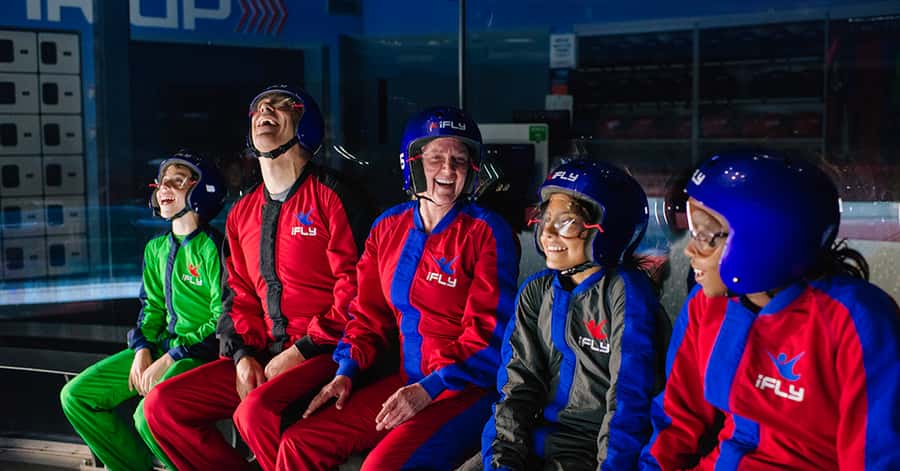
The whole point of indoor skydiving is the wind that supports and moves you. You’re essentially “falling” in a safe environment, powered by the wind tunnel’s airflow. The coaching focuses on controlling your body positions, which is how you adjust your movement during flight.
You’ll practice different positions with a professional instructor, then use that guidance during your flight. For a lot of people, the biggest surprise is how much your body posture changes the experience. Small adjustments can change your stability and how the flight feels.
The highlight you’ll hear again and again is the much longer freefall time of 2 minutes. Two minutes doesn’t sound huge until you’re in the tunnel and time changes shape. It’s long enough to feel like you’re doing something, not just passing through.






What Makes It Worth $135 (and what could feel pricey)
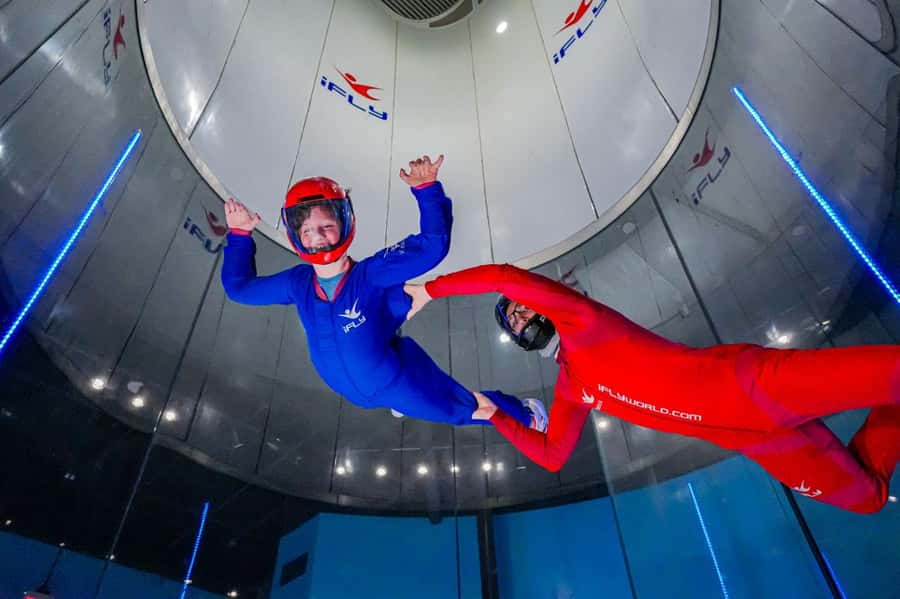
Let’s talk value. $135 is not cheap, but it’s usually a lot less than traditional skydiving. The trade is that you don’t get an outdoor jump. Instead, you get indoor consistency, instruction, and a controlled flight session.
A couple of people have pointed out that it can feel pricey if you were expecting more time at peak adrenaline. That’s worth taking seriously when you’re deciding. If your number-one goal is maximum “minutes of freefall,” you might wish the session ran longer.
On the other hand, the coaching and gear included can make the session feel more complete. You aren’t paying extra for instruction, helmet time, or basic setup. You’re paying for the full experience package: training, flying suit, safety equipment, and a structured flight.
So the best way to think about it: you’re buying the thrill plus the lesson. If you go in ready to learn, you tend to get a better payoff from the price.
Who This Works Best For (and who should skip it)
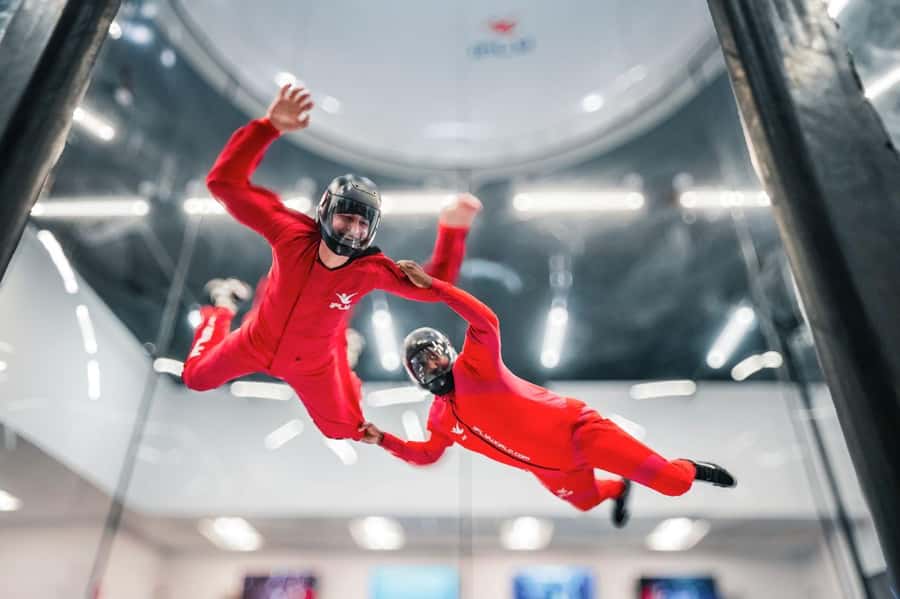
This is designed to be safe for kids and fun for teens, while still being exciting and challenging for adults. That said, you must meet the limits because the venue has strict safety rules.
You must be:
- Over 3 years old
- Within the weight rules: people weighing over 300 lbs (136 kg) can’t fly
- People weighing between 260–300 lbs (118–136 kg) may not be able to fly and require additional evaluation at check-in
You should not fly if you are:
- Pregnant
- Dealing with certain injuries or medical issues, including current or prior head, neck, back, or shoulder injury, or a heart condition
- Wearing a hard cast or hard prosthetic that cannot be removed
Also consider:
- If you have prior shoulder dislocations, it’s recommended you do not fly
If you fit the requirements, it’s a strong choice for:
- First-timers who want skydiving-like sensations without jumping from a plane
- Teens and families looking for a high-adrenaline activity with instruction
- Anyone who wants to learn how body control affects flight, not just feel wind
Getting the Most From Your Instructor in Austin
The instructors here matter because the experience is skills-based. You’ll be taught how to make different body positions to control how you fly inside the tunnel. That means your success isn’t luck. It’s technique.
Here are practical things that help you get better fast:
- Listen closely during training and ask for clarification if something feels unclear
- Pay attention to posture cues, because balance and stability drive comfort in the air
- Follow the instructor’s corrections during your session, not after
- Go in expecting to feel focused, not just excited—control takes concentration
It also helps to arrive mentally ready. The session is brief compared to an all-day outdoor activity, so you want your attention in the room when they’re teaching.
On the human side, the staff experience comes through. People describe the team as friendly and the flight as genuinely great. That matters, because when you feel relaxed and understood, you’re more likely to cooperate with the coaching and enjoy the adrenaline rush.
Gear, Noise, and Comfort: Small Details That Affect Your Flight
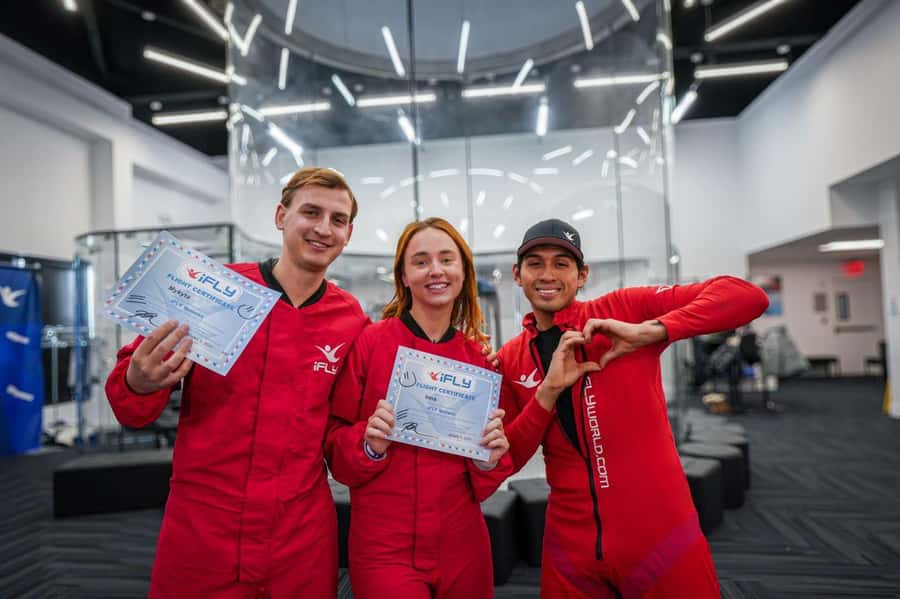
Wind tunnel flying is physical and loud enough that ear protection matters—good news, because earplugs are included. Goggles are included too, which helps with comfort and visibility while the airflow is moving fast.
You’ll also wear a helmet and flight suit. That uniform look isn’t just for style. It’s part of how you keep your gear consistent and safe, and it reduces distractions so you can concentrate on body positions.
One more practical benefit: you’ll have shoes designed for the session. It’s a better plan than trying to show up in footwear you’re unsure about.
Quick Austin Planning Tips (so the day stays easy)
Because the total time is 90 minutes, treat this like a timed appointment, not a casual stop. Pick a starting time when you’re not rushing to another reservation right after.
Bring your ID and wear clothing that you’re comfortable getting fitted over. Since you’re using the provided suit and gear, you don’t need to think about fancy outfit choices, but you do want to be able to get ready without stress.
And if you’re going with friends or family, remember that each person flies based on their own coaching and safety needs. If you’re the most nervous person in the group, that’s totally normal—use the instructor’s guidance and take the session as a skill-building experience.
Should You Book Austin iFLY Indoor Skydiving?
Book it if:
- You want the feeling of skydiving without the outdoor jump
- You like the idea of one-on-one coaching and learning body positions
- You’re within the weight, age, and health requirements
- You want a fun, structured adrenaline activity in Austin that fits into a 90-minute window
Skip it if:
- You’re pregnant
- You have relevant injuries or a heart condition
- You’re over 300 lbs or likely to be borderline without a successful check-in evaluation
- You’re expecting a long, unbroken “freefall” session. The highlights promise about 2 minutes of freefall time, and some people find the value less satisfying if they crave more.
If you’re eligible and you go in ready to learn, Austin iFLY is a smart way to scratch the skydiving itch. It’s thrilling, guided, and far less complicated than the real jump.
FAQ
How long is the Austin iFLY skydiving simulator experience?
The total duration is 90 minutes. Check availability to see the starting times.
What’s included in the price?
Your package includes the skydive simulator experience, instructor and training, flight gear, flying suit, goggles, earplugs, shoes, helmets, and locker use.
Do I need to bring a passport or ID?
Yes. You need to bring a passport or ID card.
How old do you have to be to fly?
Flyers must be over 3 years old or older.
Is there a weight limit?
Yes. People over 300 lbs (136 kg) will not be able to fly. Those weighing between 260–300 lbs (118–136 kg) may require additional evaluation at check-in.
Can pregnant women participate?
No. Women who are pregnant should not fly.
Does it include a real freefall time?
The experience includes a much longer freefall time of 2 minutes.
Is it suitable for people with injuries or health conditions?
People with current or prior head, neck, back, or shoulder injury, heart conditions, or other conditions that could increase risk should not fly. Hard casts or hard prosthetics that can’t be removed are not permitted.
Are photos included?
No. Photos are not included.
##