REVIEW · AUSTIN
Austin: Maverick Horsemanship Trail Ride
Book on GetYourGuide →Operated by Maverick Horseback Riding · Bookable on GetYourGuide
The first trot changes the whole pace. This is a real trail ride in the Austin area, with hands-on horsemanship coaching and chances to move beyond a slow walk.
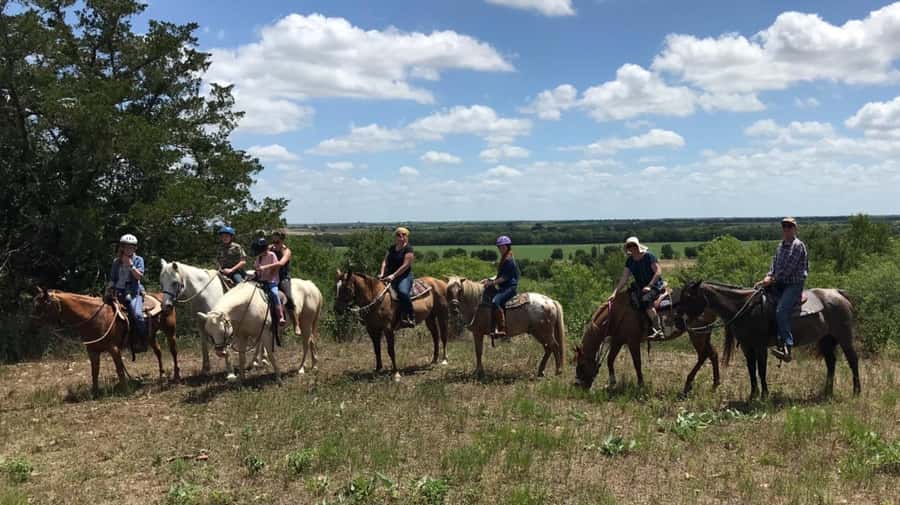
I like how Maverick keeps it personal, not a cattle-call. In a small group limited to 8 riders, the guide can actually watch what you’re doing and adjust right away.
Two things I love most: the staff clearly take their horses seriously, and they match the ride to your level. I’ve heard firsthand about supportive coaching from guides like Annalise, and that kind of calm attention makes a big difference when you’re learning.
One thing to consider: the meeting location can be confusing. A couple of recent riders noted the address information can point you to an office rather than the actual riding barn, and waiting time before shade can run long.
In This Review
- Key things to know before you saddle up
- Getting Your Bearings: Arrival, Gates, and the Ranch Setup
- Before Mounting: Safety Briefing and Horse Matching
- The Ride Timeline: 210 Minutes Total, 1.5–2 Hours in the Saddle
- On the Trail: Scenic Austin Riding With Coaching That Changes the Pace
- Trot and Canter Opportunities: How They Usually Work in Practice
- What the Small Group Feels Like (and Why You’ll Appreciate It)
- Price and Value: Why $180 Makes Sense Here
- The Main Catch: Meeting Point Confusion and Waiting Time
- Who Should Book This Trail Ride (and Who Might Not)
- Should You Book Maverick Horsemanship Trail Ride?
- FAQ
- How long is the Maverick Horsemanship Trail Ride?
- How much time will I spend on horseback?
- Is this trail ride good for beginners?
- Do beginners get to trot?
- Can more experienced riders trot and canter?
- How many people are in the group?
- What’s included in the price?
- Are meals and beverages included?
- What are the weight limits?
- Can I cancel and get a refund?
Key things to know before you saddle up
- Small group (up to 8 riders) means more coaching time and less waiting your turn.
- Level-based riding: beginners get trotting, and more trained riders get chances to open up.
- Trot and canter opportunities show up when you and your horse are ready.
- Safety briefing first, then a guided ride on the ranch property.
- Watch the meeting point carefully if you’re relying on directions in an app or general Austin address.
Getting Your Bearings: Arrival, Gates, and the Ranch Setup
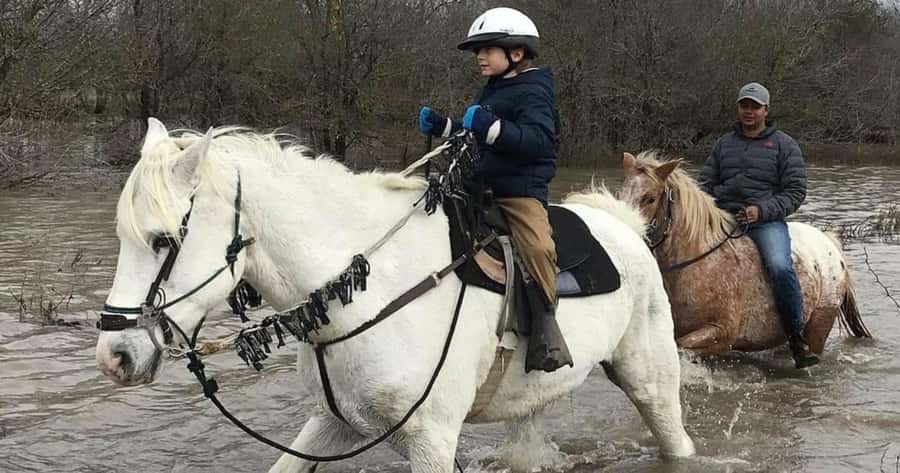
Your ride experience starts before you ever sit in the saddle. Plan on arriving with enough time to slow down and follow directions. One rider noted there can be some setup complexity at the start, but once everyone’s oriented, the day runs smoothly.
The meeting spot is very specific: look for the driveway across from an elementary school with four trash cans. Go through the gates, then close them behind you. It’s not just for politeness. The ranch uses those animals’ safety as the reason, and it’s a good habit to follow from the first minute.
Here’s a practical tip: don’t assume “Austin” on a listing means central Austin. At least a couple of riders found the real riding location sits about 45 minutes south of Austin. If you’re coming from downtown or the airport area, give yourself extra buffer time. It’s the simplest way to avoid the stress that can show up when the meeting point is unclear.
You can also read our reviews of more tours and experiences in Austin.


Before Mounting: Safety Briefing and Horse Matching
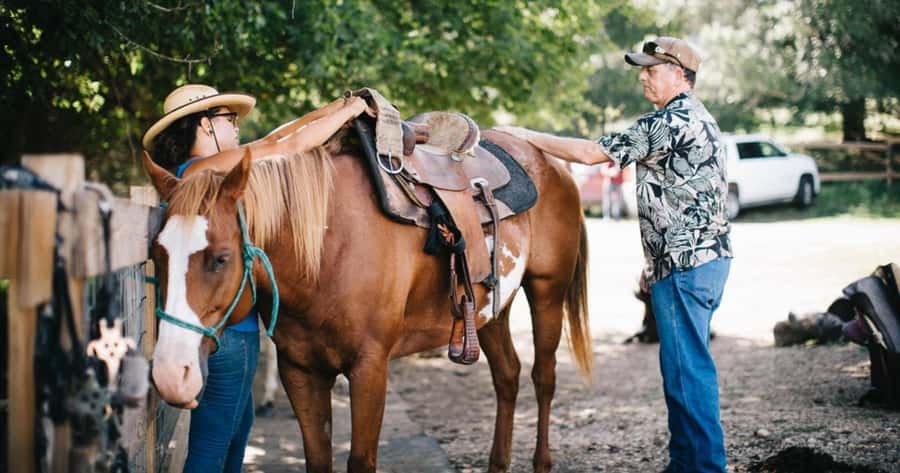
Once you’re in the right place, you’ll get a safety briefing. This matters more than people think. Even if you’ve ridden before, you’ll still benefit from hearing how this ranch expects you to behave around the horses and on the trail.
Then comes the horse matching. The big reassurance for many riders is that the guides know their horses well and keep them in good shape. That shows up in how they assign you to a horse that fits your comfort level. If you’re a beginner, that part is gold because your first minutes with the horse set the tone for the whole ride.
The guides also provide coaching for your riding level. Beginners get guidance meant to build confidence. More experienced riders get instructions meant to sharpen technique and encourage a more active pace when appropriate. Either way, you’re not just “along for the ride.” You’re learning in real time.
The Ride Timeline: 210 Minutes Total, 1.5–2 Hours in the Saddle
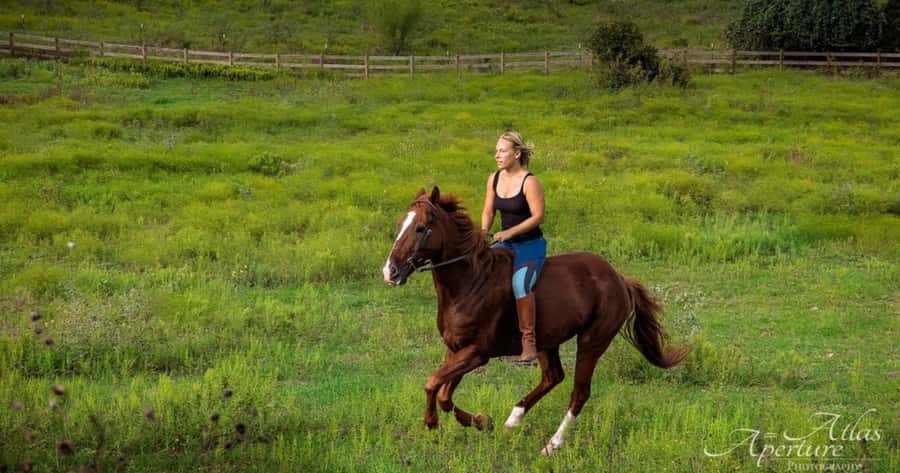
The booking lists 210 minutes, and you should plan around 3 to 3.5 hours when you include prep and wrap-up. That timing isn’t padded. It includes mounting, instruction, trail time, and getting everyone settled before and after.
Expect about 1.5 to 2 hours on horseback. That window is long enough to feel like you actually went somewhere, but short enough to stay fun even if you’re nervous at the start.
A realistic rhythm looks like this:
- Arrive, park, and get oriented at the driveway and barn area.
- Safety briefing and horse check/matching.
- Mounting and a starter phase where the guide helps you find your balance and understand cues.
- Trail riding for roughly 1.5–2 hours with coaching throughout.
- Return, wrap-up, and get ready to leave.
This format is especially good for people who want a true ranch experience without turning the day into a whole weekend project.
On the Trail: Scenic Austin Riding With Coaching That Changes the Pace
Once you head out, you’re on scenic trails in the Austin area, riding directly on the property. This kind of setting is ideal because the guides can control the environment and keep the trail experience consistent.
The pace is not one-size-fits-all. You’ll get coaching from experienced guides throughout the ride, and it’s tied to your skill level. Beginners can expect some trotting. That’s a big deal because a trot is where you start feeling what independent balance and timing actually mean.
If you’ve got more horsemanship experience, you can enjoy more push in the ride. The guides can tailor the trail riding so you get opportunities to open the horses up and work toward a faster rhythm when conditions allow.
One of the most fun elements is that you may get chances to break away from the group and pick up the pace. That doesn’t mean you ride unsupervised. It means the guide can give you moments to feel the horse under you rather than staying stuck in a line the whole time.
Trot and Canter Opportunities: How They Usually Work in Practice
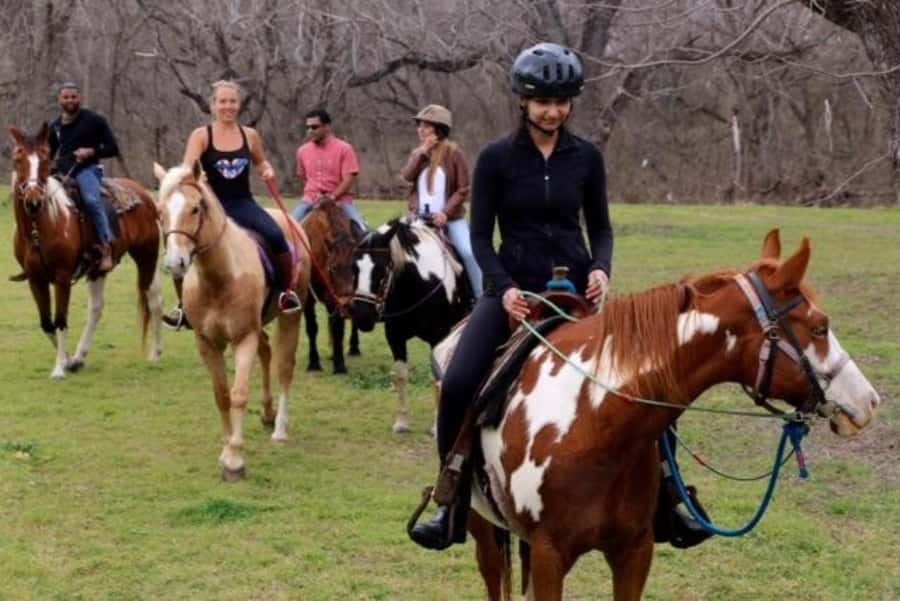
This is the part most people care about. Will you actually trot or canter, or is it mostly walking?
Based on the ride’s structure, beginners should expect some trotting. That’s built into the experience design, and it’s also why this ride can be a confidence builder. When trotting happens in a guided, controlled way, you can learn without turning the outing into a panic session.
For more trained riders, the experience can include more advanced movement. The description highlights opportunities for skilled riders to open the horses up, and the ride is framed around getting chances to trot and canter. Translation: if you can ride actively, you’re more likely to find moments where your technique gets tested in a good way.
A key takeaway for you: don’t show up expecting a guaranteed top speed. This is still a guided trail ride, and your horse, comfort level, and trail conditions influence what you get. But the coaching is there to help you reach the pace you’re ready for.





What the Small Group Feels Like (and Why You’ll Appreciate It)
Maverick runs this as a small group experience, limited to 8 participants. That changes the whole vibe.
In a bigger group, you tend to get “managed” rather than coached. In this size, the guide can watch your position, adjust your cues, and explain what to do next without leaving you behind.
It also helps with safety. When the group is smaller, it’s easier for the guide to keep the line moving smoothly, manage spacing, and respond quickly if someone needs a little more time to settle.
If you like structured learning but don’t want it to feel stiff, small-group trail riding is a sweet spot. You’ll feel guided, not herded.
Price and Value: Why $180 Makes Sense Here
At $180 per person, this is not a budget activity. But the value comes from what’s included and how the experience is delivered.
You’re paying for:
- a guided horse ride
- a safety briefing
- an experienced guide
- a limited-size group that supports real coaching
You’re also paying for the horses themselves: keeping them in good shape, matching riders to mounts, and having staff ready to support you through the whole process. Trail riding tours that charge less often cut those corners, or they cram more riders into the same time window. Here, the small group size and active coaching are a big part of the price justification.
Two things to plan for that affect your real cost: meals and beverages are not included, and transportation to the meeting point is not included either. So you’ll want to factor in a meal plan for after (or before) the ride, and decide how you’ll get there.
The Main Catch: Meeting Point Confusion and Waiting Time
This is the only real downside that keeps popping up.
Some riders found the location information can be misleading. The address shown for Austin may point to an office rather than the riding barn, and that can lead to extra driving or an hour-late start. Another rider specifically warned that the rendezvous point shown in their app wasn’t correct and that they had to contact the organizer to get the exact address.
There’s also mention of waiting time before the ride that can feel long, and that some of the waiting happens in spots without shade. If you’re sensitive to heat, plan to bring what helps you stay comfortable while you wait (within reason for a ranch setting).
My practical advice: double-check the exact meeting address a day or two before you go, and arrive early enough that you’re not rushed if directions send you the long way.
Who Should Book This Trail Ride (and Who Might Not)
This ride fits best if you want:
- coaching that adapts to your level
- a hands-on horse experience, not just a scenic “sit and hope” outing
- chances to trot, and for more experienced riders, opportunities that include faster movement
It’s also a solid choice if you’re coming from a beginner background and want to learn with guidance. The experience is explicitly designed to support beginners with confidence-building coaching.
Where it may feel less ideal is if you hate uncertainty around meeting logistics. The ranch location can be outside the expected Austin area, and the address details need careful attention. If you prefer very straightforward meeting points, do your prep and confirm the barn address ahead of time.
Should You Book Maverick Horsemanship Trail Ride?
If you’re hoping for real coaching and a trail ride that respects your skill level, I’d say this is a strong pick. The biggest reasons: the staff and horses are treated seriously, the group is small, and you’re not stuck at a single pace the whole time.
If you book, do two things and you’ll be happier: confirm the exact meeting location before you leave, and give yourself extra time for arrival. With that handled, you’ll spend your hours in the saddle learning something you can actually use next time you ride.
FAQ
How long is the Maverick Horsemanship Trail Ride?
The activity is listed as 210 minutes, and the total time including preparation and wrap-up is around 3 to 3.5 hours.
How much time will I spend on horseback?
Plan on about 1.5 to 2 hours riding.
Is this trail ride good for beginners?
Yes. The ride is designed for everyone from beginners to experienced riders, with coaching tailored to your level.
Do beginners get to trot?
Yes. Beginners can expect some trotting.
Can more experienced riders trot and canter?
Yes. Riders with more horsemanship training can have opportunities to open the horses up, and the ride includes opportunities for trotting and cantering depending on your level.
How many people are in the group?
It’s limited to 8 participants.
What’s included in the price?
Included are the horse ride, a safety briefing, and an experienced guide.
Are meals and beverages included?
No, meals and beverages are not included.
What are the weight limits?
Maximum weight is 185 lbs (84 kg) for women and 199 lbs (90 kg) for men.
Can I cancel and get a refund?
Yes. You can cancel up to 24 hours in advance for a full refund.