
REVIEW · AUSTIN
The Escape Game: Epic 60-Minute Adventures in Downtown Austin
Book on Viator →Operated by The Escape Game Austin · Bookable on Viator
Locked rooms make team skills shine. This downtown Austin escape game is built for clear fun: you get a dedicated guide, pick from multiple themed missions, and work as a team to beat the clock in a room that is not dark or scary. I especially like how fast it moves and how many different game types are offered, so you can match the storyline to your group’s mood.
Two standouts for me are the game guide support (you are not stuck alone) and the strong sense of teamwork, where communication actually matters. My one caution: if you do not book the entire room for your specific slot, your team may be joined by others, which can change the vibe and slow the process a bit when you are racing the clock.
In This Review
- Key things to know before you go
- Downtown Austin location that works in any weather
- Choosing your mission: eight games with very different vibes
- How the 60-minute escape actually plays out
- Your game guide: the difference between stuck and moving forward
- Price and value for a downtown Austin hour
- Who this escape game suits best (and where it may feel tight)
- Small practical tips that make your mission easier
- Should you book The Escape Game Austin?
- FAQ
- Where do we meet, and does the tour end there too?
- How long is the experience?
- What games can I choose from?
- Is there a guide, or are we on our own?
- What ages are allowed?
- What if someone needs to leave the room?
- Is it offered in English, and are service animals allowed?
- What is the cancellation policy?
Key things to know before you go

- Eight missions to choose from (Gold Rush, Prison Break, The Heist, Playground, Classified, Timeliner, The Depths, Cosmic Crisis)
- A dedicated guide stays engaged and helps you as needed, not just at the start
- A complete game cycle of 15 min brief + 60 min mission + 15 min debrief/photos
- Not a scary, dark escape room; the tone is adventurous and for all kinds of groups
- Small setup, max 12 travelers, so you are not lost in a crowd
Downtown Austin location that works in any weather
The Escape Game Austin is right on Red River St, at 405 Red River St, Austin, TX 78701. That matters because this kind of activity is a perfect plan when Austin weather turns loud, hot, or rainy. You also do not have to build your day around long travel times, since the experience ends back at the same meeting point.
The venue is set up for small groups, with a maximum of 12 travelers. In practice, that usually means you get to hear the instructions clearly and move through check-in without feeling stuck in chaos. It is also near public transportation, so you can keep your day car-light if you want.
Also note the format is offered in English, and you get a mobile ticket. If your group is mixed with different experience levels, that shared setting can be a plus because everyone is learning the game rules together at the start.
You can also read our reviews of more tours and experiences in Austin.



Choosing your mission: eight games with very different vibes

You choose the storyline before you play, and the lineup here is broad enough that you can avoid the letdown of picking a theme you do not care about. The games are designed for one-hour of intense fun, and the missions are meant to feel uniquely immersive.
Here are the options:
- Gold Rush: find hidden gold in the California hills
- Prison Break: escape from an evil warden
- The Heist: recover a stolen masterpiece from an art thief
- Playground: complete your report card and reach summer break
- Classified: uncover a secret plot as a secret agent
- Timeliner: train through time and save the future
- The Depths: uncover the lab’s secrets
- Cosmic Crisis: destroy the black hole
What I like about having this menu is that you can steer the experience. Want light and playful? Playground is a strong pick. Prefer high-stakes drama without being scary? Prison Break and The Heist fit that mood. If your group loves sci-fi or puzzle energy, Timeliner and Cosmic Crisis are obvious choices. If you have a mixed group, pick the theme most people will talk about afterward.
One more consideration: the guide will work with you inside the room, so even if you do not know the exact storyline details, you are not walking in blind. Still, if everyone in your team is already invested in the theme you pick, you will likely stay more focused when the countdown starts.
How the 60-minute escape actually plays out

The experience is timed, but it is not just one straight hour of pressure. Plan for about 1 hour 15 minutes total, which includes the lead-in and wrap-up. The rhythm is:
- about 15 minutes before the mission for preparing and briefing
- exactly 60 minutes to complete the mission in your adventure and escape
- about 15 minutes after for debriefing and photos
That structure is valuable. The brief time helps you avoid the common problem of starting too late with basic game mechanics. And the debrief afterward is a chance to understand what you missed, how clues connected, and what your team did well.
Inside the adventure, you will be in a room with a locked door. The good news is that each door is equipped with an exit button, so if your group needs to leave for any reason, you can do so any time. That is a comfort factor that makes the whole thing feel safer and less stressful than some locked-door setups.
Also keep in mind: you are solving clues and puzzles as a team. This is not a solo experience disguised as a group event. If your team splits off into separate plans that never sync, you’ll feel the time crunch fast.
Your game guide: the difference between stuck and moving forward

A big part of why this escape game works is the dedicated game guide. The guide takes you into the adventure and helps as needed. That means you can enjoy the challenge without the frustration of being completely stuck.
In real-world play, this matters because escape rooms are as much about communication as puzzle-solving. If someone reads a clue, but nobody else can connect it to the bigger goal, the guide can help you reframe the next steps so the team stays productive. If your group is new, that guidance can turn a confusing start into a clear strategy.
I also noticed a pattern in the names people remember. Some guides highlighted include James, Jonny, J, and Iris. Names aside, the main takeaway is the same: the staff aim to be friendly, attentive, and practical about helping you keep momentum.
One small mindset shift helps: treat the guide like your safety net, not a controller. You still do the solving, but you do it faster and with less stress when you have a human pushing you toward the next correct move.
Price and value for a downtown Austin hour

The price is $44.37 per person for admission to play one adventure. If you compare this to other paid group activities in Austin, the value is mainly in two things: time and teamwork.
You are getting about 60 minutes of active problem-solving with a guided setup and a themed room experience. You also get the planned wrap-up time for debriefing and photos, which makes it feel like more than a quick diversion. And because the experience is designed to work for all weather, it is a reliable option when your schedule is flexible but your plans need a solid fallback.
Is it expensive? It is not a cheap group activity. But if your team enjoys puzzles, wants a shared challenge, or simply wants something interactive in the middle of an Austin day, the price usually feels fair for the structured experience you get.
If your group is larger and you can book as many slots as possible within a specific mission time, you may avoid the “shared team” situation. That can improve the experience because your team can move as one unit instead of absorbing extra players midstream.






Who this escape game suits best (and where it may feel tight)
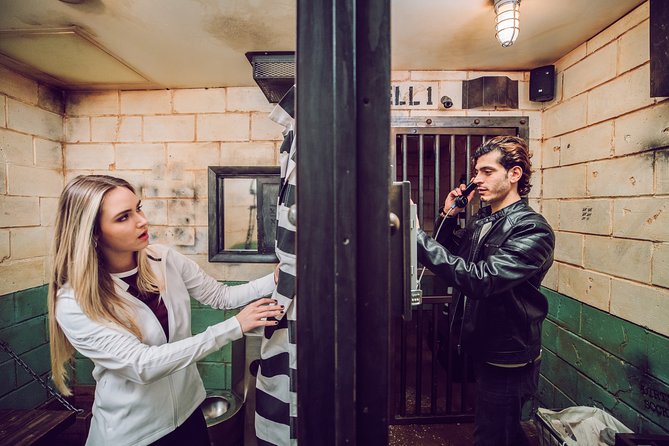
This is ideal for people who like working together and communicating on the fly. The whole format is built around shared problem-solving, so it rewards teams that can quickly align on roles like clue-reader, puzzle checker, and time-keeper. It is also a strong choice when you want an activity that feels different from standard sightseeing.
Age guidance is pretty clear:
- games are recommended for ages 13 and up
- younger players may participate, but some content may be too difficult
- an adult 18 or older must participate with anyone 14 and under
- participants under 18 need an adult to sign their waiver
If you are traveling with teens, this is a great way to channel their energy into something hands-on instead of just passing time. If your group includes younger kids, it can still work, but you should expect that the puzzle difficulty may require extra adult support and patience.
Here is the one caution I’d underline: timing. You have 60 minutes. If your group is slow to talk, or if you love to argue about theories instead of testing them, you may feel rushed. You might still have fun, but you could finish with the mission half-solved.
Also remember it can be a shared experience. Unless you book all the spots in a game, others could join your team. For some groups, that is perfectly fine and even fun. For groups that want a tight family-only dynamic, it is something to keep in mind.
Small practical tips that make your mission easier

If you want your team to do well, a few habits help before the timer starts:
- Assign quick roles in the briefing. One person tracks time. One person reads clues out loud. Others focus on solving and checking.
- Keep communication simple. If someone finds a clue, say where it is and what it might connect to. Do not assume everyone saw it.
- Do not over-focus on one puzzle for too long. When you feel stuck, rotate tasks. The team has to keep moving.
- Take the experience seriously enough to learn the rules, but stay playful. The games here are designed to be exciting and adventurous, not scary or dark.
Because you can leave using the exit button, you never have to panic if someone needs a quick reset. Still, try to solve in one continuous push. Your best results will come from staying united until the end.
Should you book The Escape Game Austin?

I’d book this if you want a fun, guided team challenge in the middle of downtown Austin. The standout reasons are the dedicated game guide, the fact that the games are not scary or dark, and the strong variety of missions so you can pick a theme that fits your group.
I would think twice if you hate time pressure or if your group wants total control over who is on your team. The shared experience possibility can matter, and with only 60 minutes, it is not the place to test a laid-back approach.
If your group enjoys puzzles, teamwork, and a mission-based “we did it” feeling, this is one of the cleanest ways to spend an hour in Austin that does not depend on weather or a specific museum mood.
FAQ
Where do we meet, and does the tour end there too?
You meet at The Escape Game Austin, 405 Red River St, Austin, TX 78701, and the activity ends back at the same meeting point.
How long is the experience?
The full experience is about 1 hour 15 minutes. Each mission runs for 60 minutes, with about 15 minutes for prep/briefing and 15 minutes for debriefing and photos.
What games can I choose from?
You can choose one of these game options: Gold Rush, Prison Break, The Heist, Playground, Classified, Timeliner, The Depths, or Cosmic Crisis.
Is there a guide, or are we on our own?
There is a dedicated game guide who takes you into the adventure and helps you as needed during the mission.
What ages are allowed?
Games are recommended for ages 13 and up. Younger players can participate, but some content may be too difficult. An adult 18+ must participate with anyone 14 and under, and participants under 18 will need an adult to sign their waiver.
What if someone needs to leave the room?
You will be in a room with a locked door, but each door has an exit button, and you are welcome to leave the room at any time.
Is it offered in English, and are service animals allowed?
Yes, it is offered in English, and service animals are allowed.
What is the cancellation policy?
You can cancel for free up to 24 hours in advance for a full refund. Cancellations less than 24 hours before the start time are not refunded, and cut-off times are based on local time.